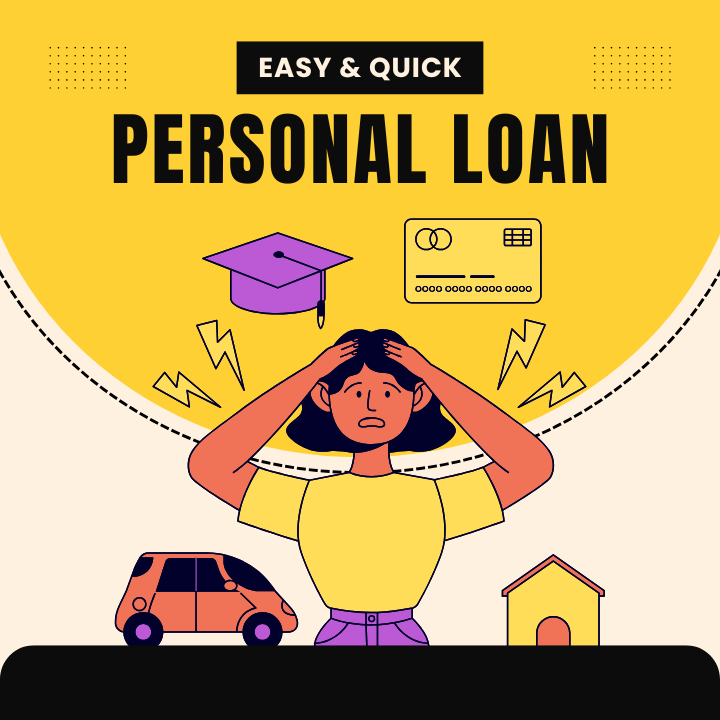
Due to its adaptability and accessibility, a personal loan is one of the most popular financial products available today. Since it is an unsecured loan, the borrower is not required to provide any collateral, such as a vehicle, gold, or property. Medical emergencies, wedding expenses, travel, education, home renovation, and consolidating existing debts are just a few of the many uses for personal loans. Banks, non-banking financial institutions (NBFIs), and digital lending platforms all offer personal loans. Once a borrower applies and meets the eligibility criteria, the approved loan amount is directly credited to their bank account. The borrower then pays back the loan over a predetermined period of time in equal monthly payments (EMIs), which typically range from 12 to 60 months. A personal loan’s fixed repayment plan is one of its most important features. The EMI remains constant throughout the loan tenure, making it easier for borrowers to plan their monthly finances. The borrower’s income, credit score, employment stability, and repayment history all impact the personal loan interest rate. Since personal loans are unsecured, interest rates are generally higher compared to secured loans like home or car loans.
A personal loan application is typically straightforward and quick. Many lenders now offer online applications where users can submit basic details and upload documents digitally. Commonly required documents include identity proof, address proof, income proof, and PAN card. Approval can be granted quickly, sometimes even the same day, provided that all documents are in order and the credit profile is strong. Freedom of use is a major advantage of personal loans. In contrast to home loans and education loans, there are no spending restrictions. This makes personal loans highly useful during emergencies or when immediate funds are required. Borrowers who may not have valuable assets face less risk as a result of the absence of collateral requirements. However, personal loans should be used responsibly. Before applying, borrowers must carefully assess their ability to repay. Missing EMI payments can negatively impact the credit score and may attract penalties or additional charges. In order to select the best option, it is essential to compare loan terms, processing fees, and interest rates from various lenders. In conclusion, when used wisely, a personal loan can be a dependable financial option. It offers convenience, flexibility, and quick access to funds. By understanding how personal loans work and planning repayments carefully, borrowers can meet their financial needs without putting unnecessary pressure on their finances.
What Is a Personal Loan and How Does It Work?